



Pancreatitis is inflammation of the pancreas that causes vomiting, belly pain, low appetite, and lethargy in dogs and cats. It can be triggered by fatty foods and ranges from mild to life-threatening. Prompt veterinary care is important. NorthWest Animal Hospital in Calgary can diagnose and support pets with pancreatitis.
What the pancreas does, and what goes wrong
The pancreas is a small organ that produces enzymes to digest food and hormones like insulin to regulate blood sugar. In pancreatitis, those digestive enzymes activate too early and begin to irritate and inflame the pancreas itself, causing pain and a cascade of effects on the body. It can be sudden and severe or low-grade and ongoing, and it affects both dogs and cats, though cats often show vaguer signs.
Signs of pancreatitis
Pancreatitis can make a pet quite unwell. Common signs include:
- Vomiting, sometimes repeatedly
- Loss of appetite and refusing food
- Abdominal pain, which in dogs may show as a hunched posture or a praying position
- Lethargy, weakness, and dehydration
- Diarrhea
- In cats, often just hiding, not eating, and low energy
Cats in particular can be subtle, so a cat who simply stops eating and seems off should always be checked.
What triggers pancreatitis
A frequent trigger, especially in dogs, is a fatty meal, which is why cases often spike around holidays and barbecues when pets get rich table scraps or get into the garbage. Other risk factors include obesity, certain medications, some underlying conditions, and a previous episode. In many cases the exact cause is never identified, but reducing the known triggers, particularly fatty foods, is something every owner can do.
Why pancreatitis can be dangerous
Mild cases may resolve with prompt care, but severe pancreatitis can become life-threatening, leading to dehydration, organ complications, and a serious whole-body inflammatory response. It can also be very painful. Because it is hard to predict how a case will progress, and because the signs overlap with other serious conditions, pancreatitis should never be brushed off as a simple upset stomach.
How it is diagnosed and treated
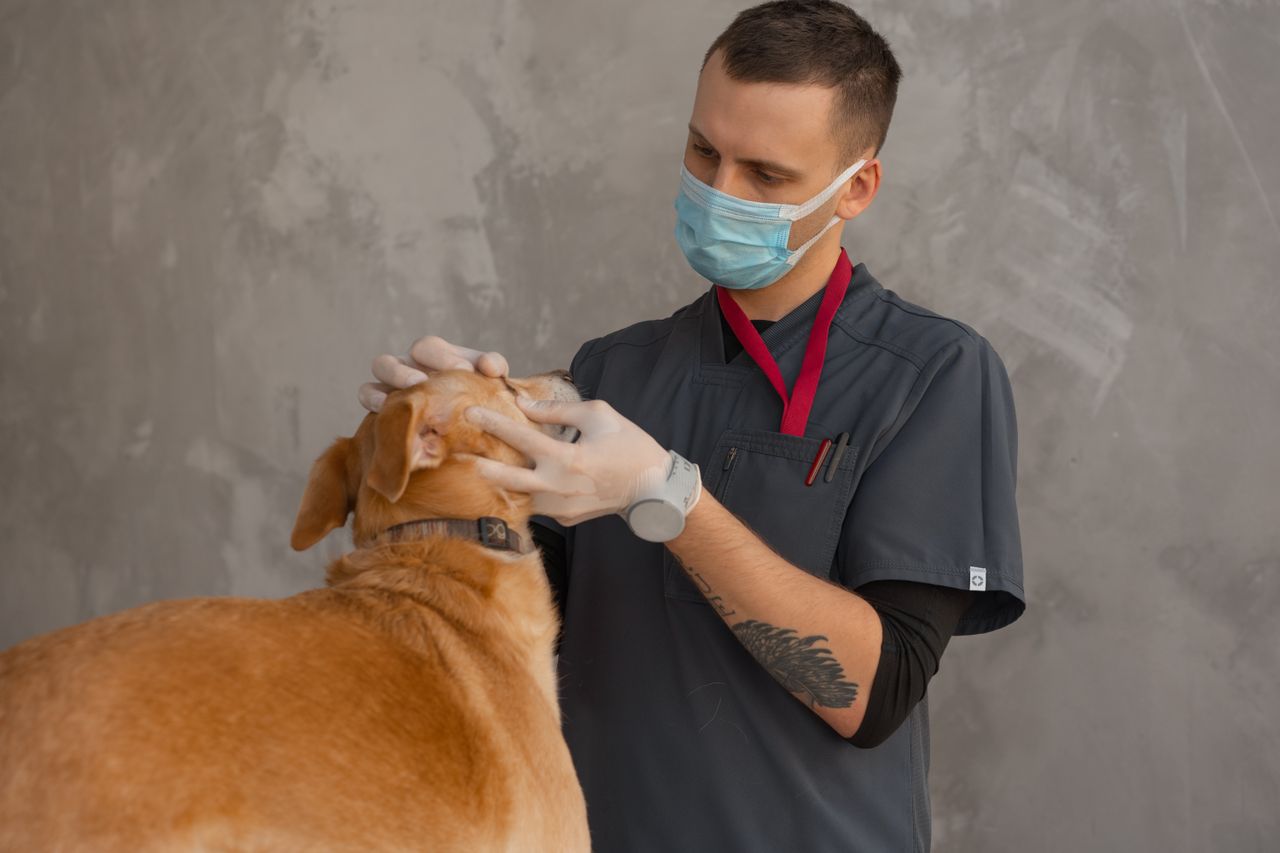
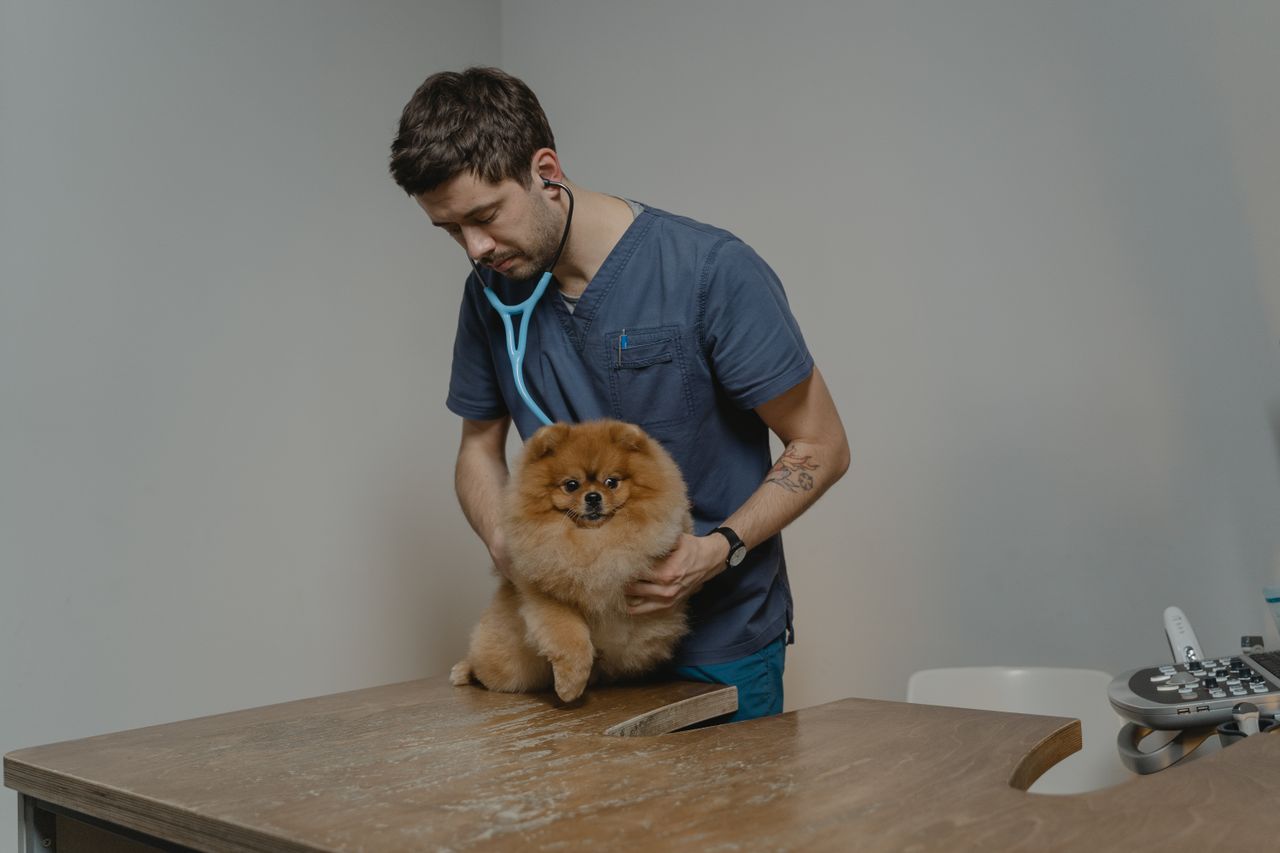
Your veterinarian will start with an exam and history, then use diagnostics such as specific blood tests and ultrasound to assess the pancreas and rule out other causes. Our diagnostics and medical services teams use these tools to confirm the diagnosis and gauge severity. Treatment is mainly supportive: fluids to correct dehydration, medications for pain and nausea, and careful reintroduction of food, often a low-fat diet. More serious cases may need hospitalization, and our urgent care team is here when a pet needs prompt attention.
Prevention and long-term care
You can lower the risk with a few habits. Avoid feeding fatty table scraps and keep garbage and rich foods out of reach, maintain a healthy weight, and stick to a consistent, suitable diet. Pets who have had pancreatitis often do best on a long-term low-fat diet, and our nutrition counselling can help you choose one. Regular checkups help manage weight and any underlying conditions that raise the risk.
Recovery and what to expect
Recovery from pancreatitis depends on how severe the episode is. Mild cases may be managed with a short course of medication and a careful diet at home, while moderate to severe cases often need a stay in hospital for intravenous fluids, pain control, and anti-nausea treatment until the pet is stable and eating again. Your veterinary team will guide the pace of getting your pet back to normal.
Reintroducing food is done gradually, usually with an easily digested, low-fat diet, and appetite is a good sign of progress. After an episode, watch closely for any return of vomiting, pain, or loss of appetite, and keep follow-up appointments so your veterinarian can confirm your pet is fully recovered. Many pets bounce back well, especially when the episode is caught early and triggers are managed afterward.
Frequently asked questions
Can one fatty meal really cause pancreatitis?
Yes, in susceptible pets a single rich, fatty meal can trigger an episode, which is why cases rise around holidays. Keeping pets away from table scraps and garbage is an important precaution.
Is pancreatitis an emergency?
It can be. Mild cases need prompt care, and severe cases can be life-threatening. Repeated vomiting, belly pain, and refusing food warrant a veterinary visit rather than waiting it out.
How is pancreatitis different from a regular upset stomach?
The signs can look similar at first, but pancreatitis tends to be more severe and persistent, often with belly pain. Because it can be serious, testing is the reliable way to tell them apart.
Do cats get pancreatitis too?
Yes, though their signs are often vaguer, such as hiding, not eating, and low energy rather than obvious vomiting. A cat who stops eating and seems unwell should always be checked.
Will my pet need a special diet afterward?
Often yes. Many pets who have had pancreatitis do best on a long-term low-fat diet to reduce the chance of another episode. Your veterinarian can recommend the right food.
Can pancreatitis come back?
It can, especially if triggers are not managed. Maintaining a healthy weight, avoiding fatty foods, and following your veterinarian’s diet advice all help reduce the risk of recurrence.
Are some dogs or cats more prone to pancreatitis?
Some are. Overweight pets, those who have had a previous episode, and animals fed fatty foods are at higher risk, and certain breeds appear more prone than others. Knowing your pet’s risk helps you take sensible precautions like avoiding fatty scraps.