



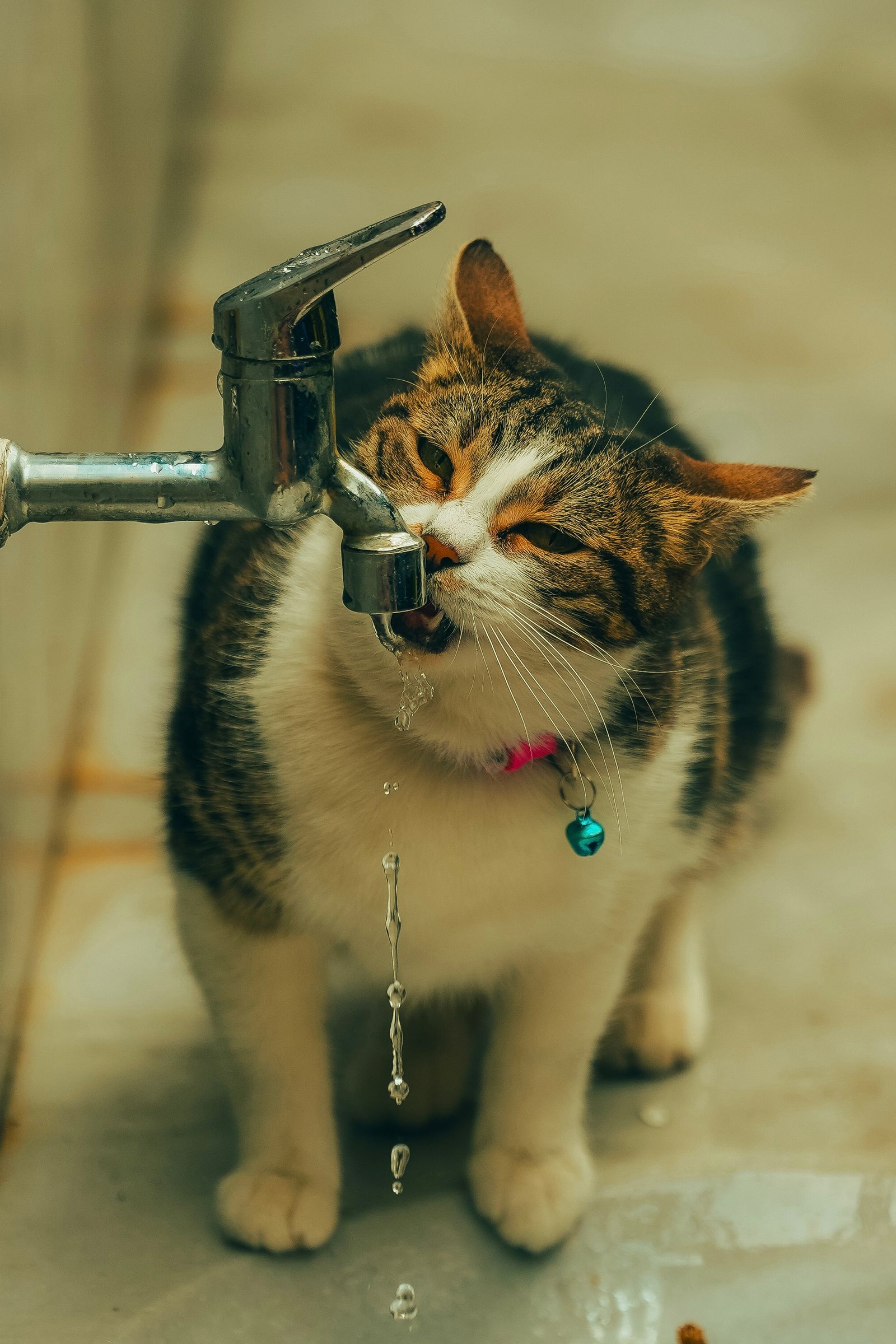
Diabetes is a common hormone condition in dogs and cats where the body cannot properly control blood sugar. The classic signs are increased thirst and urination, and weight loss despite a good appetite. It cannot be cured, but with a veterinary diagnosis and a management plan of insulin, diet, and monitoring, many diabetic pets live happy, comfortable lives.
What diabetes is
Diabetes happens when the body cannot properly use or produce insulin, the hormone that moves sugar from the blood into the cells for energy. As a result, sugar builds up in the blood while the cells go hungry, which is why a diabetic pet can lose weight even while eating well.
It is a fairly common condition, particularly in middle aged and older pets, and it affects both dogs and cats, though the details differ between the two. In dogs it usually means lifelong insulin, while some cats can even go into remission when it is caught and controlled early. The good news is that diabetes is manageable. With a diagnosis through our medical services and a clear plan, most pets do very well.
Signs to watch for
The most recognizable early signs are increased thirst and more frequent urination, as the body tries to flush out excess sugar. Many owners notice the water bowl emptying faster or the litter box needing more attention. Weight loss despite a normal or even increased appetite is another classic clue.
As diabetes progresses, pets may become less energetic, and some develop other changes, such as a cloudy eye in dogs or a changed way of walking in cats. If you notice these signs, it is worth booking a visit, because earlier diagnosis makes the condition easier to manage.
What raises the risk
Several factors influence a pet’s risk of diabetes. Being overweight is an important and preventable one, particularly in cats, which is a good reason to keep your pet at a healthy weight. Age plays a role too, as diabetes is more common in middle aged and older pets.
Other factors, including certain hormonal conditions, some medicines, and some breeds, can contribute as well. While not every case is preventable, keeping your pet lean and active and attending regular check ups gives the best chance of catching problems early, sometimes with routine diagnostics that spot changes before obvious signs appear.
How diabetes is diagnosed
Diabetes is confirmed with testing rather than signs alone. Your veterinarian will take a history, examine your pet, and run blood and urine tests to check sugar levels and rule out other conditions that can look similar. These tests also help assess your pet’s overall health before starting treatment.
Because several conditions share signs like increased thirst and weight loss, this step is important for getting the right diagnosis rather than assuming. Once diabetes is confirmed, your team can tailor a plan to your individual pet, explain what to expect, and get treatment underway so your pet starts feeling better.
Managing a diabetic pet
Most diabetic pets are managed with insulin given by injection at home, along with a consistent diet and feeding routine timed around each dose. It sounds daunting at first, but many owners are surprised how quickly it becomes a normal part of the day, and your veterinary team will show you exactly what to do and support you at every step.
Diet is an important part of the plan, and our nutrition counselling can help you feed in a way that supports steady blood sugar. Regular monitoring and rechecks let your team adjust the plan over time, since a pet’s needs can change. Never change the plan on your own without guidance.
Knowing what is an emergency
With good management, most diabetic pets stay stable, but it helps to know the warning signs of trouble. Blood sugar that drops too low can cause weakness, wobbliness, disorientation, or in serious cases collapse or seizures, and this needs urgent attention.
Likewise, a diabetic pet who stops eating, is repeatedly vomiting, or becomes very lethargic should be seen promptly, as these can signal a serious complication. If you are worried, our urgent care team would rather you call early than wait, so do not hesitate to reach out.
Frequently asked questions
What are the earliest signs of diabetes in pets?
Increased thirst and urination, along with weight loss despite a good appetite, are the classic early signs. If you notice these, book a visit, as earlier diagnosis makes management easier.
Can diabetes in pets be cured?
It is generally managed rather than cured, though some cats can go into remission with early, good control. With insulin, diet, and monitoring, many diabetic pets live happy, comfortable lives.
Is giving insulin injections at home hard?
Most owners find it becomes routine quickly, and the needles are very small. Your veterinary team will teach you the technique and support you as you get comfortable.
Does my pet’s diet matter?
Yes. A consistent, appropriate diet is an important part of managing diabetes. Your team can recommend a feeding plan that helps keep blood sugar steady alongside insulin.
What should I do if my diabetic pet seems weak or wobbly?
Weakness, wobbliness, or disorientation can signal low blood sugar, which needs urgent attention. Follow your veterinarian’s emergency advice and contact the clinic right away.