


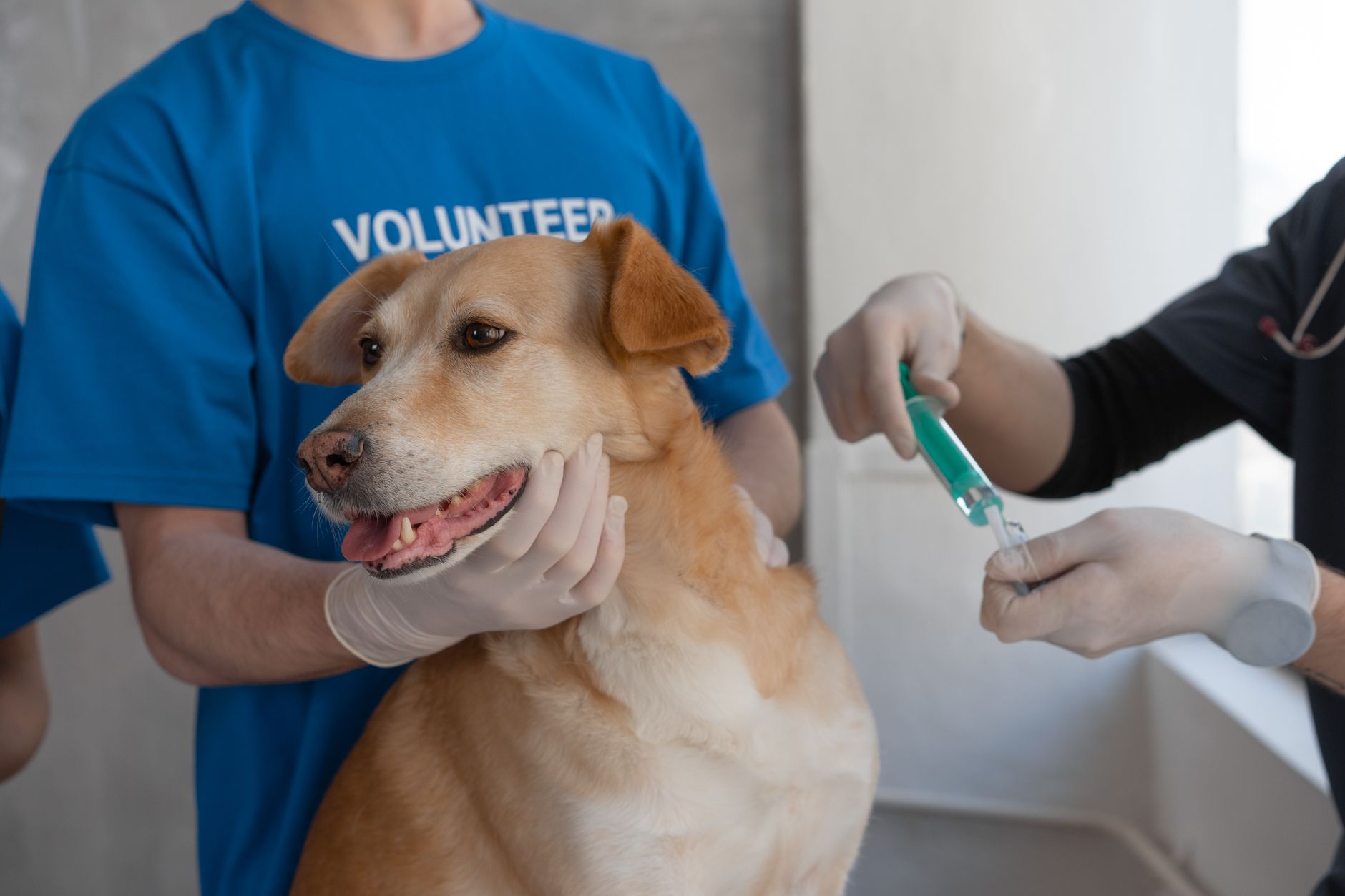
Human medicine toxicity in pets is one of the most common summer emergencies NorthWest Animal Hospital sees in NW Calgary. Everyday products like ibuprofen, acetaminophen (Tylenol), and other household medicines can seriously harm dogs and cats, even in small doses. Knowing the risks, spotting early signs, and preventing access can protect your pet and help you act quickly.
Why Human Medicines Are So Dangerous for Pets
Dogs and cats process medicines very differently than people do. A dose that is perfectly safe for an adult human can overwhelm a pet’s liver, kidneys, or stomach because their bodies simply cannot break the drug down the same way. Cats are especially sensitive, and small dogs can be affected by even a single tablet. This is why human medicine toxicity in pets is treated as an urgent concern by our NW Calgary team.
Summer tends to bring more of these incidents. Windows and doors are open, families travel with medicines in bags and coolers, houseguests come and go, and pills sometimes end up in purses, nightstands, or on the floor. Pets are curious, and many chewable or coated tablets are appealing to a dog’s nose. A few of the most common household culprits include:
- Ibuprofen (Advil, Motrin) and other non-steroidal anti-inflammatory drugs (NSAIDs)
- Acetaminophen (Tylenol), which is particularly deadly to cats
- Cold, flu, and allergy medicines, including those with decongestants
- Antidepressants, ADHD medicines, and other pharmacy pills
- Vitamins and supplements, especially those containing iron or vitamin D
- Sleep aids and anti-anxiety medicines left within reach
It is important to never give your pet a human medicine to treat pain or fever at home. Dosing that seems reasonable to a person can be toxic to a dog or cat. If your pet is uncomfortable, our veterinary team can recommend safe, species-appropriate options.
Ibuprofen and Other NSAIDs
Ibuprofen is one of the medicines we worry about most. In dogs and cats, it can damage the lining of the stomach and intestines, leading to ulcers and bleeding, and higher amounts can injure the kidneys. Because ibuprofen is in so many Calgary homes, accidental exposure is common, particularly when a bottle is dropped or a pill rolls under the couch.
Warning signs of NSAID poisoning can include:
- Vomiting, sometimes with blood, or black tarry stools
- Loss of appetite and unusual tiredness
- Increased or decreased thirst and urination
- Belly pain, restlessness, or weakness
If you know or suspect your dog or cat has eaten ibuprofen, contact NorthWest Animal Hospital or an emergency clinic right away. Fast action matters, and our urgent care for pets team can guide you on the next steps.
Acetaminophen (Tylenol): A Serious Threat to Cats
Acetaminophen deserves special attention because it is so dangerous to cats. Cats lack an enzyme that helps break the drug down, so even part of a single regular-strength tablet can be life threatening. In cats, acetaminophen damages red blood cells and reduces the blood’s ability to carry oxygen, and it can also harm the liver.
Signs of acetaminophen poisoning may appear within a few hours and can include:
- Difficulty breathing or fast, laboured breathing
- Brownish or blue-grey gums instead of a healthy pink colour
- Swelling of the face or paws
- Drooling, vomiting, weakness, or a low body temperature
Dogs can also be poisoned by acetaminophen, usually with liver injury and similar blood changes at higher doses. Because the effects move quickly, this is always an emergency. Please never give acetaminophen to a pet under any circumstances, and reach out to our clinic immediately if exposure happens.
Other Common Household Medicines
Beyond pain relievers, many other medicines around a NW Calgary home can cause harm. Cold and allergy products may contain decongestants such as pseudoephedrine that overstimulate the heart and nervous system. Antidepressants and ADHD stimulants can cause agitation, tremors, high heart rate, and seizures. Even seemingly harmless vitamins can be a problem, since iron and vitamin D become toxic in larger amounts.
To lower the risk of human medicine toxicity in pets, our team encourages every family to build a few simple habits:
- Store all medicines in closed cabinets or drawers, well out of reach of curious noses and paws
- Keep purses, backpacks, and travel bags off the floor and behind closed doors
- Never leave pills on countertops, nightstands, or open windowsills
- Pick up dropped tablets immediately and check the floor after taking your own medicine
- Keep your pet’s medicine clearly separate from human medicine to avoid mix-ups
- Ask houseguests to store their medicines safely during summer visits
Routine wellness visits are also part of prevention, because your veterinarian can review any medicines your pet does need and confirm they are safe. Our medical services for pets include ongoing care that keeps your dog or cat healthier year round.
What to Do If Your Pet Swallows a Medicine
If you think your dog or cat has eaten any human medicine, treat it as an emergency and act calmly but quickly. Time is often the most important factor in a good outcome, and early treatment can make a real difference.
- Remove your pet from the area and gather up any remaining pills or packaging
- Note the medicine name, strength, and roughly how much may have been eaten and when
- Do not try to make your pet vomit or give any home remedy unless a veterinarian tells you to
- Call NorthWest Animal Hospital or an emergency clinic before you leave home so the team can prepare
When your pet arrives, our veterinary team may recommend testing to check organ function and monitor blood values. Our veterinary diagnostics help us understand how much a medicine has affected your pet so we can tailor treatment. Bringing the bottle or a photo of the label along with you gives us valuable information.
Keeping NW Calgary Pets Safe This Summer
Summer should be a season of trail walks, backyard time, and relaxed evenings with your dog or cat, not emergency visits. A little preventive care goes a long way. By storing medicines safely, staying alert during travel and gatherings, and knowing the warning signs, NW Calgary families can greatly reduce the chance of a poisoning scare.
If you ever have questions about a product your pet may have reached, or you want to review safe pain management options, the team at NorthWest Animal Hospital is here to help. You can also explore our full range of pet care services to keep your dog or cat feeling their best all year. When in doubt, please contact our clinic. It is always better to ask early than to wait.
Frequently Asked Questions
Can I give my dog ibuprofen or Tylenol for pain?
No, never give ibuprofen or acetaminophen to your dog or cat. These human medicines can cause stomach ulcers, kidney damage, liver injury, and red blood cell damage in pets, and even one tablet can be dangerous. Contact NorthWest Animal Hospital for safe, pet-specific pain relief options.
What are the first signs of medicine poisoning in pets?
Early signs often include vomiting, drooling, loss of appetite, weakness, and unusual tiredness. With acetaminophen in cats, watch for difficult breathing and grey or brownish gums. If you notice any of these signs or suspect exposure, treat it as an emergency and call your veterinarian right away.
Why are cats more sensitive to acetaminophen than dogs?
Cats lack a liver enzyme needed to break down acetaminophen safely, so even a small amount can be life threatening. The drug damages their red blood cells and reduces oxygen delivery throughout the body. Because cats are so sensitive, acetaminophen should never be kept where a cat could reach it.
How can I prevent my pet from getting into medicines at home?
Store all medicines in closed cabinets, keep bags and purses off the floor, and pick up dropped pills immediately. Separate your pet’s medicine from human medicine, and ask summer houseguests to store theirs safely. These simple habits greatly lower the risk of accidental poisoning for NW Calgary pets.