


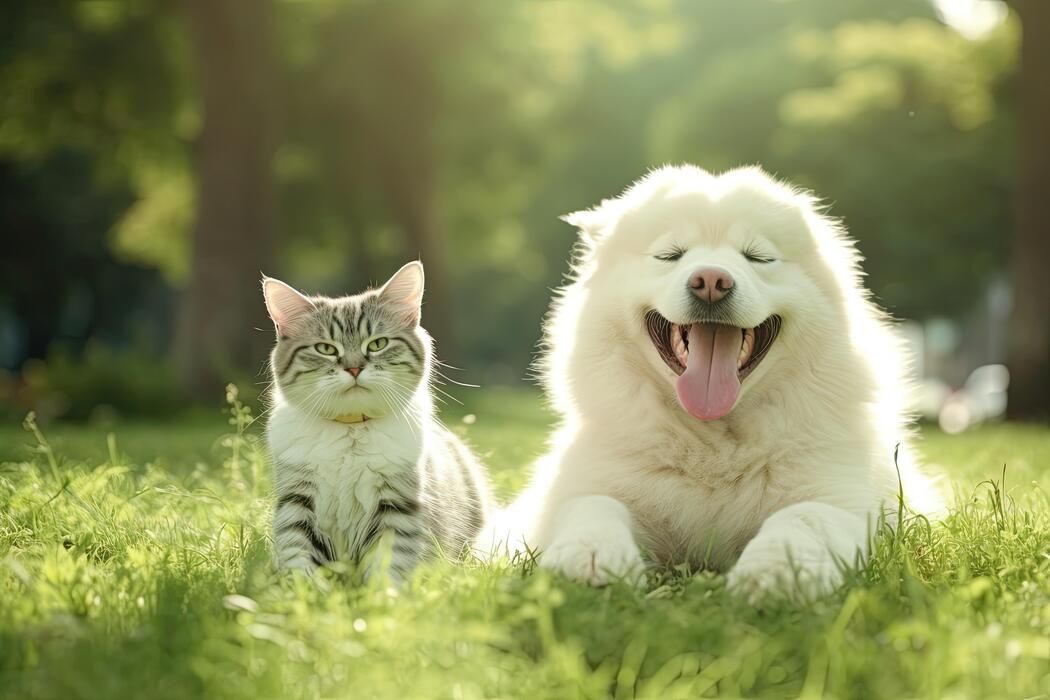
After a long Calgary winter spent mostly indoors, many dogs and cats in NW Calgary carry a few extra pounds heading into spring. Reduced activity levels, increased treat consumption, and shorter daylight hours all contribute to gradual weight gain that can be easy to overlook. Healthy weight management is essential for your pet’s long-term wellbeing, supporting joint health, organ function, and overall quality of life. As warmer weather returns to Carrington, Evanston, and surrounding neighbourhoods, spring offers an excellent opportunity to reassess your pet’s nutrition and activity levels with guidance from your veterinarian.
Assessing Your Pet’s Weight After a Calgary Winter
Determining whether your dog or cat is at a healthy weight involves more than stepping on a scale. Body condition scoring is a standardized method veterinarians use to evaluate your pet’s overall body composition. This assessment considers factors such as rib coverage, waist definition, and abdominal tuck. A pet at an ideal weight should have ribs that are easily felt but not prominently visible, a visible waist when viewed from above, and an abdominal tuck when viewed from the side.
Many pet owners in Livingston, Glacier Ridge, and Kincora may not realize their pet has gained weight over the winter because the change happens gradually. Even an extra pound on a small dog or cat can represent a significant percentage of their ideal body weight. A cat who should weigh four kilograms but weighs five kilograms is carrying twenty-five percent excess weight, which places considerable strain on joints, the heart, and other organs. A wellness assessment at NorthWest Animal Hospital can help establish your pet’s current body condition and set realistic weight management goals.
Spring is an ideal time for this evaluation because it establishes a baseline before the increased outdoor activity of summer. Your veterinarian can identify whether weight gain is related to diet, reduced activity, an underlying metabolic concern, or a combination of factors, and recommend an appropriate plan.
Portion Control and Nutrition Strategies for Spring
One of the most common contributors to pet obesity is overfeeding, whether through oversized meals, excessive treats, or unmonitored snacking. Measuring your pet’s food with a proper measuring cup or kitchen scale ensures consistency and accuracy. Feeding guidelines on pet food packaging are general starting points, but your pet’s individual caloric needs depend on their age, breed, activity level, and health status.
As BBQ season approaches in Calgary, pet owners should be particularly mindful of table scraps and outdoor cooking hazards. Fatty meats, corn cobs, skewers, onions, garlic, and grapes are all potentially harmful to dogs and cats. Even well-meaning guests at a backyard gathering in Carrington or Sage Hill may offer your pet food that contributes to weight gain or causes digestive upset. Establishing clear household rules about pet feeding during social events helps prevent unintended caloric intake.
Treats should make up no more than ten percent of your pet’s daily caloric intake. Consider using low-calorie alternatives such as small pieces of carrot, apple (without seeds), or commercially prepared dental treats that also support oral health. Our veterinary team can recommend specific treat options and daily caloric targets based on your pet’s weight management goals.
Spring Exercise and Gradual Activity Increases
Increasing your pet’s exercise after a sedentary winter requires a gradual approach. Dogs who have spent months with limited outdoor activity should not be taken on long hikes or extended runs without a conditioning period. Start with short walks of ten to fifteen minutes on flat, dry pathways near your home in Carrington, Evanston, or Livingston. Gradually increase the duration and intensity over several weeks as your dog builds stamina and muscle tone.
Be mindful of spring lawn chemicals and fertilizers commonly applied in NW Calgary neighbourhoods during May and June. Freshly treated lawns can expose your dog’s paws to potentially harmful substances that may be ingested during grooming. Stick to paved pathways or areas you know have not been recently treated, and wipe your dog’s paws after each walk. Coyote encounters are also a concern in areas bordering green spaces around Carrington and Glacier Ridge, so keep your dog leashed and maintain awareness of your surroundings.
Cats benefit from increased indoor play sessions that mimic the longer daylight hours of spring. Interactive toys, laser pointers used safely, and puzzle feeders encourage movement and mental stimulation. Overweight cats should increase activity gradually, as sudden vigorous exercise can place undue stress on joints and the cardiovascular system. At NorthWest Animal Hospital, located in Carrington Greens Plaza at 14th Street and 144th Avenue NW, our team provides personalized nutrition and weight management plans for dogs and cats at every life stage. We are open Tuesday, Wednesday, Thursday, and Friday from 9 a.m. to 7 p.m., and Saturday, Sunday, and Monday from 9 a.m. to 6 p.m.
Frequently Asked Questions
Q: How do I know if my dog or cat is overweight?
A: A body condition assessment by your veterinarian is the most reliable method. At home, you can check whether you can easily feel your pet’s ribs without pressing firmly. If ribs are difficult to feel or your pet lacks a visible waist, a veterinary assessment is recommended.
Q: How much exercise does my dog need to lose weight?
A: Exercise needs vary by breed, age, and current health status. Most dogs benefit from at least thirty minutes of moderate activity daily, but your veterinarian can recommend a specific plan. Start gradually after winter and increase activity over several weeks.
Q: Are table scraps safe for my dog during BBQ season?
A: Most table scraps are not recommended for pets. Fatty meats, cooked bones, onions, garlic, grapes, and corn cobs can be harmful to dogs and cats. If you wish to share food with your pet, ask your veterinarian about safe options in appropriate portions.
Q: How often should I weigh my pet during a weight management plan?
A: Monthly weigh-ins are typically recommended during active weight management. Your veterinarian can track progress and adjust the plan as needed. Contact NorthWest Animal Hospital at (403) 930-3500 to schedule regular weigh-in appointments.
Q: Can my cat lose weight safely without increased exercise?
A: Dietary changes alone can contribute to weight loss in cats, but a combination of portion control and increased activity produces better outcomes. Sudden caloric restriction in cats can lead to serious liver concerns, so any weight loss plan should be developed with veterinary guidance.
Ready to help your pet reach a healthy weight this spring? Book a nutrition consultation online or call us at (403) 930-3500. NorthWest Animal Hospital is located in Carrington Greens Plaza at 14th Street and 144th Avenue NW, serving Carrington, Evanston, Livingston, Glacier Ridge, Kincora, Sage Hill, and all of NW Calgary.
Published by the team at NorthWest Animal Hospital.
This article is for general educational purposes only and does not constitute veterinary advice. Always consult a licensed veterinarian before making decisions about your pet’s health. If you have concerns, contact NorthWest Animal Hospital at (403) 930-3500.