


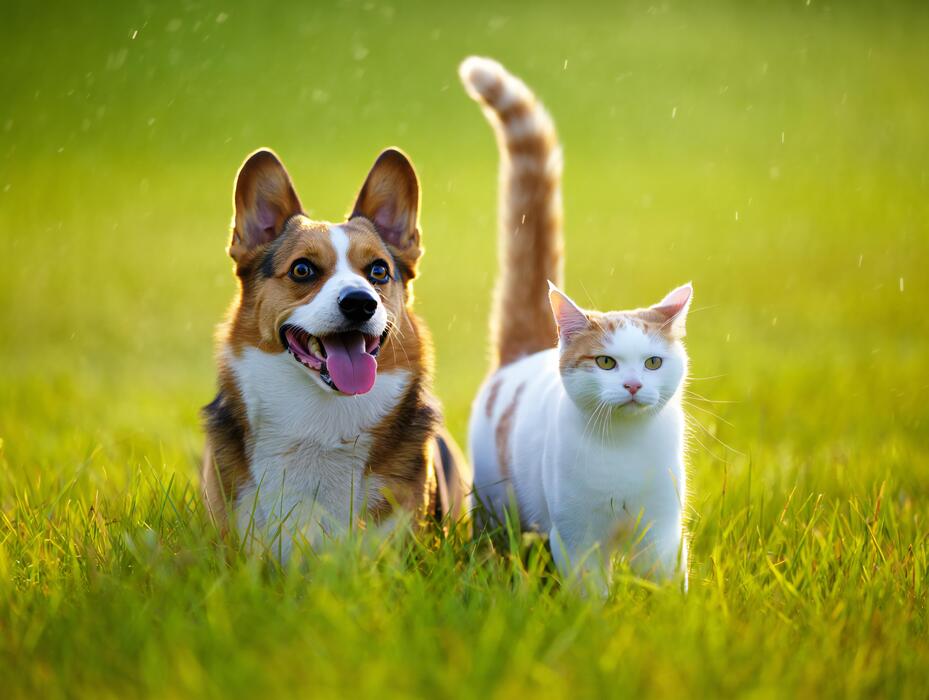
As dogs and cats age, their health needs shift in ways that are not always obvious to pet owners. In NW Calgary neighbourhoods like Carrington, Evanston, and Livingston, the transition from winter to spring brings unique considerations for senior pet care. Stiff joints that worsened over the cold months may begin to loosen, but underlying mobility concerns can persist. Cognitive changes, appetite shifts, and changes in sleep patterns all deserve attention. Understanding when to increase veterinary visits and how to support your aging companion through seasonal transitions helps ensure they remain comfortable and healthy throughout their golden years.
Recognizing Mobility Changes During the Winter-to-Spring Transition
Calgary winters are long and cold, and senior dogs and cats often experience increased stiffness during the colder months. As spring arrives in NW Calgary, many pet owners notice their older pets becoming slightly more active, which can be encouraging. However, this seasonal improvement can mask underlying joint concerns that benefit from veterinary assessment. A dog who struggled on icy sidewalks near Carrington Greens Plaza may seem improved on dry spring paths, but the underlying joint wear remains.
Senior dogs in the Carrington and Evanston areas benefit from gentle, consistent exercise as temperatures warm. Short walks along the pathways near 14th Street and 144th Avenue NW allow your dog to rebuild muscle tone gradually without overexertion. Avoid sudden increases in activity, as joints that have been relatively inactive through winter are more susceptible to strain. If your dog hesitates before jumping into the car, struggles on stairs, or seems reluctant to walk on uneven ground, these are signs that a veterinary assessment may be warranted.
Cats also experience age-related mobility changes, though they tend to hide discomfort more effectively. A senior cat who has stopped jumping onto favourite perches, avoids the litter box, or grooms less frequently may be experiencing joint stiffness. Providing low-entry litter boxes, heated beds, and step stools to favourite resting spots can make a meaningful difference in your cat’s daily comfort.
Cognitive Changes and Behavioural Shifts in Aging Pets
Cognitive decline is a common concern in senior dogs and cats, particularly those over ten years of age. In dogs, signs may include disorientation in familiar spaces, staring at walls, changes in sleep-wake cycles, reduced interaction with family members, or house soiling after years of reliable habits. Cats may vocalize more at night, appear confused, or withdraw from social interaction. These changes can develop gradually, making them easy to overlook.
Pet owners in Glacier Ridge, Kincora, and Sage Hill sometimes attribute these behavioural shifts to normal aging, but many cognitive changes respond well to early intervention. Environmental enrichment, dietary adjustments, and specific supplements can support brain health in aging pets. Our nutrition counselling team can recommend dietary strategies that support cognitive function, including foods rich in omega-3 fatty acids and antioxidants.
Maintaining a consistent daily routine is particularly important for senior pets experiencing cognitive changes. Regular meal times, predictable walk schedules, and a stable home environment help reduce confusion and anxiety. If your pet shows sudden or rapid behavioural changes, contact your veterinarian promptly, as these may indicate an underlying health concern rather than age-related cognitive decline alone.
When to Increase Veterinary Visits for Your Senior Pet
Most veterinary professionals recommend that senior dogs and cats, typically those aged seven and older, transition from annual to semi-annual wellness visits. These more frequent assessments allow your veterinarian to detect early changes in bloodwork, weight, dental health, and organ function that may not yet produce visible symptoms. Early detection is one of the most effective tools for managing age-related health concerns.
Spring is an ideal time to schedule a comprehensive senior wellness assessment. After a Calgary winter spent largely indoors, your pet’s weight, muscle condition, and joint health may have shifted. A thorough examination can establish an updated baseline and identify any concerns that developed over the winter months. Blood panels, urinalysis, and blood pressure monitoring are commonly included in senior wellness assessments.
At NorthWest Animal Hospital, located in Carrington Greens Plaza at 14th Street and 144th Avenue NW, we are open seven days a week. Our team, including Dr. Bath, who brings over ten years of experience with a focus on internal medicine, dermatology, and chronic disease management, provides comprehensive senior wellness assessments tailored to your pet’s individual needs. Whether your senior dog enjoys gentle walks near the Evanston pathways or your aging cat prefers the warmth of a sunny windowsill, we are here to support their health at every stage.
Frequently Asked Questions
Q: At what age is a dog or cat considered senior?
A: Dogs are generally considered senior around seven years of age, though larger breeds may reach this stage earlier. Cats are typically classified as senior between seven and ten years. Your veterinarian can advise based on your pet’s breed, size, and overall health.
Q: How often should my senior pet visit the veterinarian?
A: Senior pets benefit from wellness assessments every six months rather than annually. These visits allow early detection of age-related changes in bloodwork, organ function, and overall condition. Contact NorthWest Animal Hospital at (403) 930-3500 to schedule an assessment.
Q: What are signs of cognitive decline in senior dogs?
A: Common signs include disorientation in familiar environments, changes in sleep patterns, reduced interaction with family members, staring at walls or into space, and house soiling after years of reliable habits. If you notice these changes, a veterinary assessment can help determine the cause.
Q: Can diet help support my aging pet’s joint health?
A: Yes. Diets formulated for senior pets often include ingredients that support joint health, such as omega-3 fatty acids and glucosamine. Your veterinarian can recommend a nutritional plan tailored to your pet’s specific needs and health status.
Q: Are there safe outdoor activities for senior dogs in NW Calgary during spring?
A: Short, gentle walks on flat, dry pathways are ideal. Avoid uneven terrain, steep hills, and areas with standing water or spring lawn chemicals. Gradually increase activity levels and watch for signs of fatigue or discomfort during and after walks.
Ready to schedule a senior wellness assessment for your pet? Book an appointment online or call us at (403) 930-3500. NorthWest Animal Hospital is conveniently located in Carrington Greens Plaza at 14th Street and 144th Avenue NW, serving Carrington, Evanston, Livingston, Glacier Ridge, Kincora, Sage Hill, and all of NW Calgary.
Published by the team at NorthWest Animal Hospital.
This article is for general educational purposes only and does not constitute veterinary advice. Always consult a licensed veterinarian before making decisions about your pet’s health. If you have concerns, contact NorthWest Animal Hospital at (403) 930-3500.