


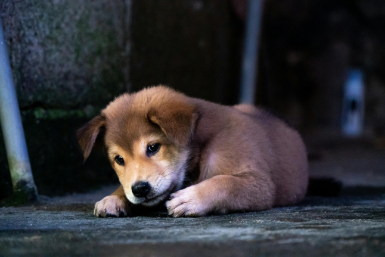
As the snow melts and temperatures climb in NW Calgary, dog owners across Carrington, Evanston, Kincora, and Sage Hill start planning trail outings with their four-legged companions. Parks like Nose Hill Natural Environment Park, Bowmont Natural Environment Park, and the Bow River pathway system offer incredible off-leash and on-leash options. However, spring trails also come with seasonal hazards. At NorthWest Animal Hospital, we encourage every dog owner to prepare before hitting the trails this April.
Tick Season Starts Early in Alberta
Tick prevention for dogs is essential as soon as temperatures consistently reach 4 degrees Celsius, which can happen as early as March in southern Alberta. The most common species in the Calgary region is the Rocky Mountain wood tick, but the blacklegged tick (which can carry Lyme disease) has been expanding its range in Alberta. After every hike at Nose Hill, Bowmont, or along the Bow River pathway, perform a thorough tick check on your dog. Focus on the ears, around the eyes, under the collar, between the toes, and the groin area.
Talk to our team at NorthWest Animal Hospital about year-round or seasonal tick prevention products that are appropriate for your dog’s size, breed, and lifestyle. We can help you choose the right option from our preventive care programs.
Wildlife Encounters on NW Calgary Trails
Spring is denning season for coyotes in the Calgary area, and sightings increase significantly around Nose Hill and Bowmont. Coyotes become more territorial and protective when raising pups, so keeping your dog leashed in areas with known coyote activity is strongly recommended. Porcupines are also more active in spring, and a face full of quills is a painful (and common) reason for emergency visits. If your dog encounters a porcupine, do not attempt to remove the quills yourself – contact a veterinarian for safe removal under sedation.
Deer and the occasional moose can also startle dogs on trails near the Bow River. Keeping your dog under voice control or on leash in unfamiliar areas is the safest approach. NorthWest Animal Hospital provides same-day urgent care for wildlife-related injuries if an encounter does occur.
Common Spring Trail Hazards
Spring thaw creates muddy, uneven terrain that can cause sprains, strains, and pad injuries. Start with shorter hikes to recondition your dog after a less active winter. Watch for standing water and puddles, which can harbour leptospirosis bacteria – a serious infection that can affect both dogs and humans. Leptospirosis vaccination is particularly important for dogs who frequent trails and natural water sources around Calgary.
Other springtime trail hazards include discarded food waste, broken glass in parking areas, and seasonal bait or poison set out by property managers for rodent control. Keep your dog from scavenging on trails and carry fresh water so they are not tempted to drink from puddles or streams.
Trail-Ready Checklist for Your Dog
Before heading out to Nose Hill, Bowmont, Haskayne Park, or the Twelve Mile Coulee, make sure your dog’s vaccinations are current (particularly rabies, distemper-parvovirus, and leptospirosis). Ensure tick and flea prevention is up to date. Bring fresh water, a collapsible bowl, waste bags, and a basic first-aid kit. If your dog is microchipped, confirm that your contact information is current in the registry. NorthWest Animal Hospital offers microchipping services and can update your records during any visit.
What to Pack for a Spring Hike with Your Dog
A well-prepared pack makes every outing safer. Include a leash (even if heading to an off-leash area), fresh water and a bowl, high-value treats for recall training, waste bags, a small towel for muddy paws, and a basic pet first-aid kit with gauze, antiseptic wipes, and tweezers for tick removal. If your dog has any chronic conditions or takes medicine, bring it along for longer outings.
| Getting your dog trail-ready this spring? Book a wellness check at NorthWest Animal Hospital – (403) 930-3500. Tick prevention, vaccinations, and microchipping available 7 days a week. |
| FAQ |
Q: When does tick season start in Calgary?
A: Ticks become active when temperatures consistently reach around 4 degrees Celsius, which can occur as early as March in southern Alberta. It is important to use tick prevention products before your first spring hike.
Q: What should I do if my dog gets porcupine quills on a trail?
A: Do not attempt to remove quills yourself, as broken quills can migrate deeper into the tissue and cause infection. Contact NorthWest Animal Hospital or an emergency veterinarian for safe removal under sedation.
Q: Is leptospirosis a risk for dogs on Calgary trails?
A: Yes. Leptospirosis bacteria thrive in standing water and moist soil, especially during spring thaw. Dogs who hike near water sources should be vaccinated against leptospirosis. Speak with our team about adding this to your dog’s preventive care plan.
| This article is for general educational purposes only and does not constitute veterinary advice. Always consult a licensed veterinarian before making decisions about your pet’s health. If you have concerns, contact NorthWest Animal Hospital at (403) 930-3500. |