


Laryngeal paralysis is a condition in which the cartilages at the entrance to a dog’s windpipe stop opening fully, so air moves poorly on every breath. Older large breed dogs often show a raspy or honking pant, a changed bark and reduced stamina. Heat and excitement make it dangerous, so noisy breathing warrants a veterinary exam.
What Laryngeal Paralysis Actually Is
Every time your dog breathes in, two small cartilage flaps at the top of the windpipe swing open to let air through. They are pulled open by muscles that rely on a single nerve running down each side of the neck. When that nerve signal weakens, the flaps stop opening properly and sit in the airway instead of clearing out of the way.
The result is a narrowed doorway. Your dog can still move air, but it takes more effort, and air forcing through a partly closed opening makes noise. That is why the first thing most owners notice is a sound rather than obvious distress. Swallowing can be affected too, because the same region has to close over the airway when your dog eats and drinks.
The change usually builds over many months, so dogs adapt quietly. They slow down, they take longer breaks, and they simply sound different. Owners across Carrington, Evanston and Livingston often describe it afterwards as their dog just getting old on them.
The Early Signs That Get Mistaken for Normal Aging
- A change in the bark. It turns hoarse, thin, muffled or cracked, and in some dogs it nearly disappears.
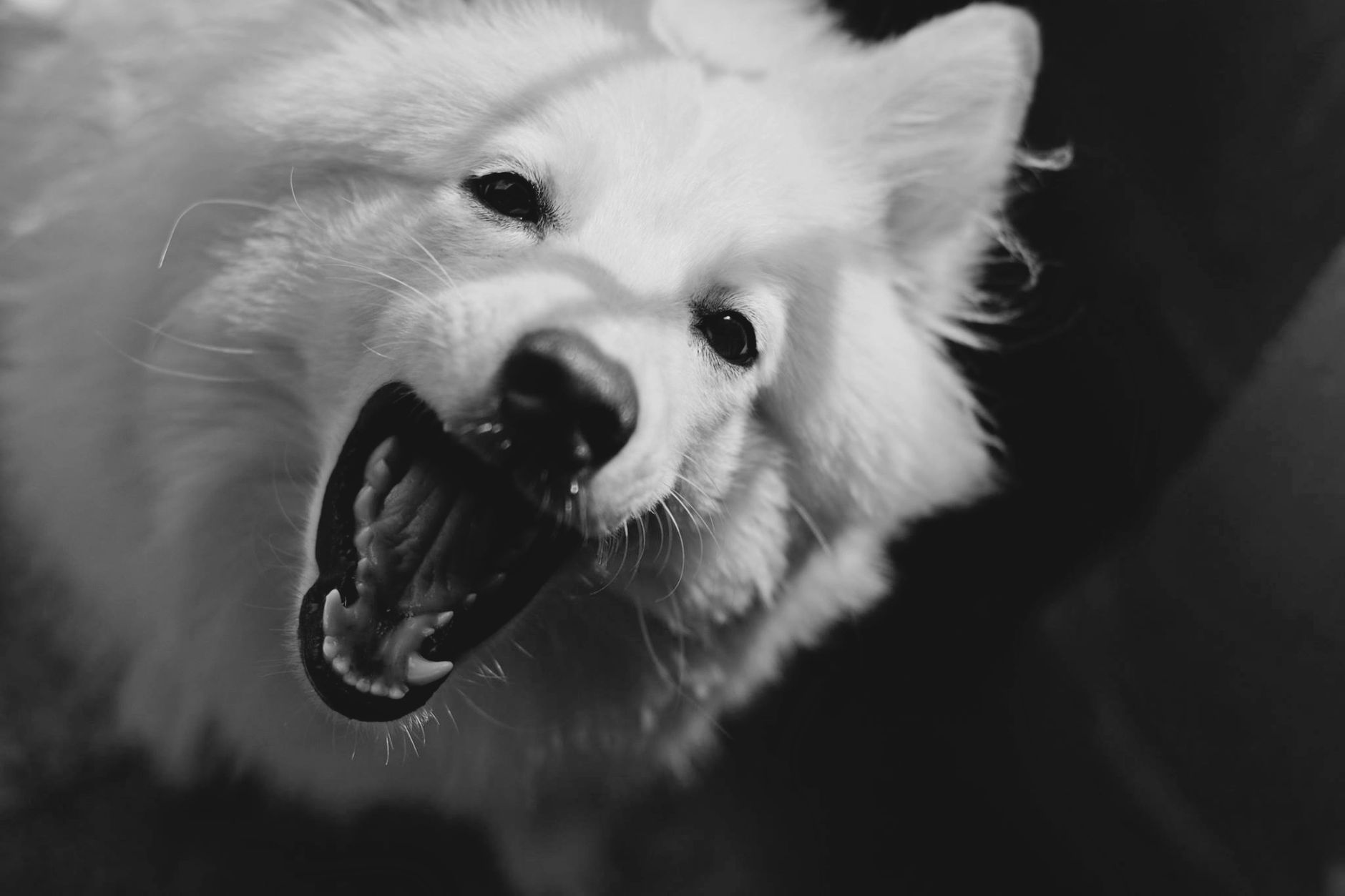
- Panting that sounds harsh, rattly or honking instead of soft.
- Noise on the way in. The sound is loudest as your dog breathes in, not as they breathe out.
- Exercise intolerance. Your dog still wants the walk but stops sooner and takes far longer to settle afterwards.
- Gagging, throat clearing or a wet sounding cough around meals and water bowls.
- Breathing that gets noticeably louder in warm weather, in the car, or during greetings at the door.
None of these confirm anything on their own, and several unrelated conditions produce a similar picture. They are, however, signs that warrant an exam rather than a wait and watch approach at home. A veterinarian listening to where in the breathing cycle the noise falls, and watching how your dog recovers after mild exertion, can learn a great deal in a few minutes.
This is also where one specific airway concern separates itself from the broader ground covered in our guide to senior pet care for aging dogs and cats in NW Calgary. Gradual slowing down is an expected part of getting older. A voice change is not.
Why Heat and Excitement Turn a Quiet Problem Into an Emergency
Dogs do not sweat the way people do. They shed heat almost entirely by moving large volumes of air across a wet tongue and airway. That cooling system depends completely on being able to breathe freely.
A dog with a narrowed larynx is caught in a difficult loop. Warmth makes the dog pant harder, harder panting irritates and swells the tissue at the laryngeal opening, the swollen tissue narrows the airway further, and the dog then cannot move enough air to cool itself. Body temperature climbs fast. A mildly noisy senior dog in June can become a genuine emergency on a warm, dry August afternoon.
Calgary adds its own wrinkle. Late summer days here run hot and very dry, and chinook swings can lift temperatures sharply with little warning in the shoulder seasons. A dog who was comfortable on a nine degree morning can be in real trouble by mid afternoon. Excitement counts just as much as the thermometer: the doorbell, a visiting grandchild, or the first sight of an off leash area can set off the same spiral.
If your routine includes trail outings, our notes on trail safety around Nose Hill and Bowmont are worth rereading with airway noise in mind. Walk early, keep the pace conversational, carry water, and turn back at the first change in your dog’s breathing rather than at the end of the loop.
Extra body weight compounds every part of this, since a heavier dog generates more heat and has less respiratory reserve to spare. Our post on healthy weight management for dogs and cats in NW Calgary covers workable ways to approach that alongside your veterinary team.
Which Dogs Tend to Be Affected
This condition turns up most often in older large and giant breed dogs. Labrador Retrievers are the classic example, and Golden Retrievers, Newfoundlands, Irish Setters, standard poodles and big mixed breed dogs are all well represented. Most affected dogs are middle aged or older, and males appear more frequently than females.
Two further points are worth knowing. Laryngeal paralysis is often one visible part of a slower, more general nerve condition, which is why some dogs also develop hind end weakness, scuffed nails or subtle changes in how they swallow. It can also follow an injury to the neck region or sit alongside certain hormone imbalances. Raise both possibilities directly with your veterinarian, because it shifts the conversation from noisy breathing to a whole dog assessment.
A hands on exam, bloodwork and chest diagnostic imaging help build that fuller picture. A direct look at how the laryngeal cartilages actually move requires sedation and controlled conditions in hospital, which is one reason this is not something you can settle from a video at home.
What to Do If Your Dog Is in a Breathing Crisis
A dog in respiratory distress may stand with the neck stretched forward and the elbows held out, breathe with an open mouth, sound loud and strained, look frightened, or have gums that are brick red, pale or bluish. Collapse can follow quickly.
- Stop all activity immediately and move your dog into shade, indoors or into air conditioning.
- Keep everything calm and quiet. Panic and heavy restraint both make breathing worse, so lower your voice and slow yourself down first.
- Cool the surroundings rather than handling your dog aggressively. Move air with a fan and offer small amounts of cool water only if your dog is alert and swallowing normally.
- Do not put your hands, fingers or any object into your dog’s mouth or throat, and never try to open or clear the airway yourself. It does not help and it puts both of you at risk.
- Phone ahead while someone else drives, so the veterinary team is ready the moment you arrive.
- Travel with the windows down or the air conditioning running, and never leave your dog waiting in a parked vehicle.
Breathing difficulty is one of the specific reasons NorthWest Animal Hospital accepts same day urgent care visits during opening hours. Outside those hours, go straight to the nearest emergency veterinary hospital. Do not sit at home waiting to see whether the noise settles.
How the Condition Is Assessed and Managed
There is no at home test for this, and the point of a visit is to work out what is genuinely restricting the airway. Your veterinarian will take a history, listen to where the noise falls in the breathing cycle, examine the neck and chest, and often recommend bloodwork and imaging. Thyroid function and other systemic conditions may be reviewed at the same time, since they can travel alongside nerve changes.
Ongoing care usually blends daily adjustments with medical support, which falls under our medical services. The practical changes carry real weight: swapping a collar for a harness so nothing presses on the throat, walking in the early morning and late evening rather than at midday, keeping the house cool, and trimming back the high excitement moments where you reasonably can.
Surgery also forms part of the conversation for some dogs. It is an option a veterinarian may discuss with you rather than an automatic next step, and it carries trade offs that have to be weighed against your individual dog’s age, other health conditions and day to day quality of life. Ask for that discussion openly, and take the time you need to think it through.
For dogs already in the senior range, twice yearly senior wellness exams give your veterinary team the chance to hear a subtle change in breathing well before it becomes obvious at home. Veterinary practice in Alberta is regulated by the Alberta Veterinary Medical Association, and your own veterinarian remains the right person to interpret your dog’s signs in context.
Frequently Asked Questions
Is a raspy bark in an old dog just normal aging?
No, a voice change is not a normal part of aging and it deserves an exam. Barking depends on the same cartilages that open the airway, so a bark that turns hoarse, thin or muffled can be the earliest outward sign that those structures are not moving properly. Other causes exist, which is exactly why an assessment matters.
Why does my dog sound worse in hot weather?
Because panting is how dogs cool themselves, and a narrowed airway limits how much air they can move. On warm NW Calgary days your dog pants harder, the tissue around the laryngeal opening swells with the effort, and the airway narrows further. That cycle can push body temperature up dangerously fast, so heat is treated as a serious risk factor.
What should I do if my dog suddenly struggles to breathe?
Get your dog out of the heat, keep everything as calm and still as possible, and go to a veterinarian right away. Call ahead so the team is prepared for your arrival. Do not try to open or clear the airway with your hands or any object, and do not wait at home to see whether the noise eases off.
Which dogs are most likely to be affected?
Older large and giant breed dogs are most commonly affected, with Labrador Retrievers the best known example. Middle aged to senior dogs are typical, and males are represented more often than females. That said, any dog of any size with a changed bark or noisy inhaled breathing should be examined rather than simply watched.
Can laryngeal paralysis be linked to other health problems?
Yes, it is often one visible part of a broader nerve condition, which is why some affected dogs also show hind end weakness, scuffed nails or changes in swallowing. It can also sit alongside hormone imbalances or follow an earlier injury to the neck region. Raise these possibilities with your veterinarian so the whole dog is assessed, not just the airway.
Noticed a change in your dog’s bark or breathing? Let us listen
The early signs of this condition are quiet ones, and they are easy to file away as ordinary ageing. A bark that has gone hoarse, noisy breathing on warm days, or a dog who tires faster than they did last summer are all worth a proper listen. Call (403) 930-3500 to arrange an assessment, and our Carrington team can examine your dog and discuss next steps through medical services for dogs and cats.
Published by the team at NorthWest Animal Hospital.
This article is provided for general educational purposes only and is not a substitute for an in-person veterinary exam, diagnosis or treatment. If you have an urgent concern about your pet, please contact NorthWest Animal Hospital directly, or your nearest emergency veterinary hospital outside our clinic hours.
NorthWest Animal Hospital
110, 141 Carrington Plaza, NW Calgary, AB T3P 1Y3
Phone: (403) 930-3500
Hours: Monday, Wednesday, Thursday and Friday 8:00 AM to 8:00 PM
Tuesday, Saturday and Sunday: 8:00 AM to 5:00 PM